Electronics Recycling: Eco-Friendly Disposal Solutions for Computers
Sustainable Solutions: How E-Waste Recycling Services Are Saving Our Planet
Electronic waste presents serious dangers to the environment, as abandoned electronic devices commonly carry harmful materials. These toxic materials have the potential to taint soil and water sources, causing extensive damage to surrounding ecosystems. E-waste recycling services present a viable solution. They not only recover valuable resources but also mitigate pollution. Understanding how these services operate and their impact on communities is essential. The journey towards effective e-waste management raises critical questions about individual responsibility and collective action. What actions should be considered going forward?
The Reasons E-Waste Is Damaging to the Planet
Although technology enriches modern life, electronic waste presents considerable environmental hazards. Discarded electronic devices, often containing dangerous compounds like mercury, lead, and cadmium, may release harmful substances into the surrounding soil and water supply, posing risks to both wildlife and human well-being. The rapid pace of technological advancement contributes to increased consumer turnover of electronics, intensifying the growing problem of electronic waste.
Landfills, already strained by waste, are unable to keep up with the rising quantities of abandoned electronics. Incineration, another disposal method, releases harmful pollutants into the atmosphere, contributing to air quality degradation. Moreover, poor recycling procedures can cause e-waste to be sent to developing regions, where employees may disassemble electronics without sufficient safety precautions, leaving them vulnerable to harmful substances. This pattern of negligence and mismanagement highlights the critical demand for eco-friendly recycling alternatives that can reduce the damaging impact of electronic waste on the environment.
What Is E-Waste and Why Does It Matter?
E-waste, also referred to as electronic waste, includes obsolete electronic products such as smartphones, computers, and televisions that have reached the end of their useful life. This growing category of waste is significant owing to its accelerating volume, fueled by innovation in technology and shifting consumer habits. As growing numbers of electronics become outdated, the environmental impact intensifies, with toxic materials such as lead, mercury, and cadmium threatening both ecosystems and public health.
The significance of tackling e-waste extends beyond minimizing these risks to recognizing the valuable resources it holds. Precious metals and rare earth elements can be recovered and reused, reducing the need for mining and conserving natural resources. Through a deeper awareness of e-waste and its consequences, both individuals and organizations can make well-informed choices regarding disposal and recycling, thereby supporting a more sustainable future. Effective handling of e-waste is vital for encouraging a circular economy and advancing environmental responsibility.
How E-Waste Recycling Works
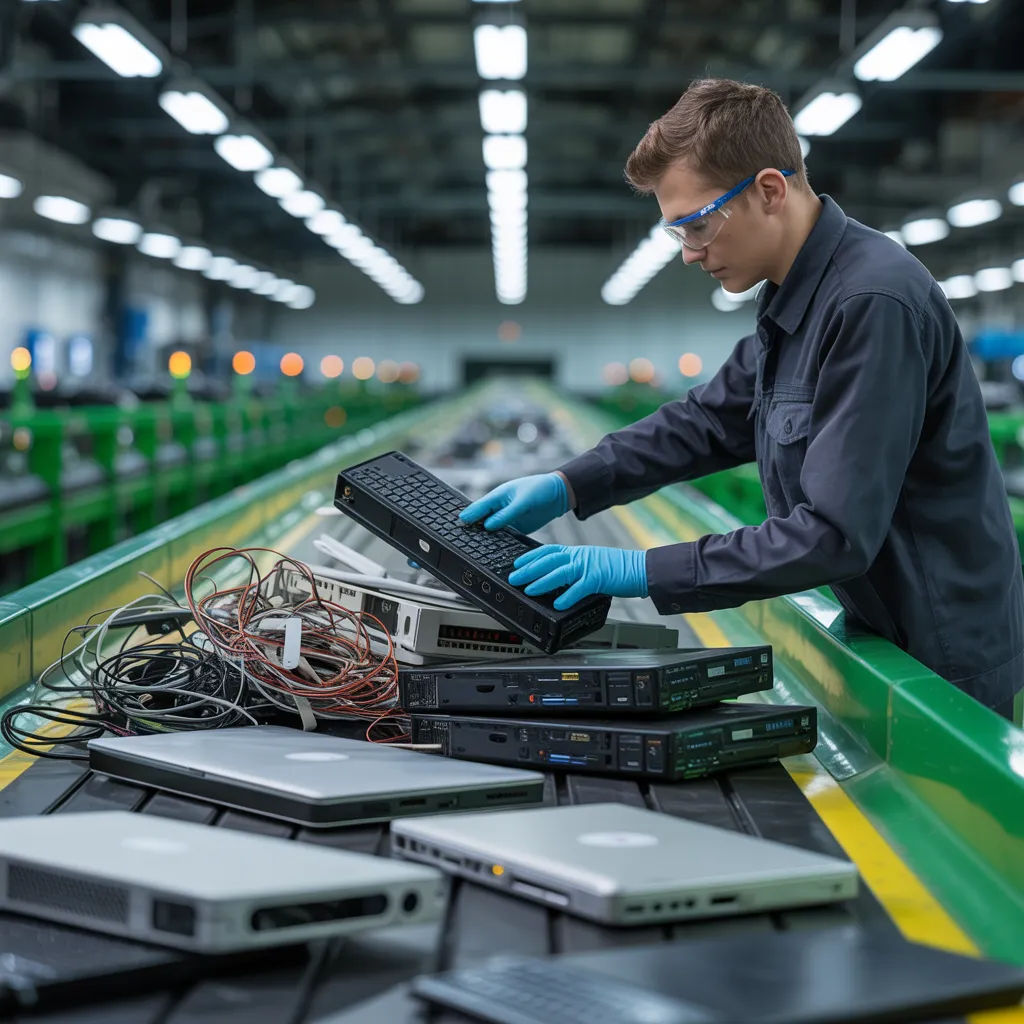
The recycling of e-waste encompasses an organized procedure designed to recover valuable materials while minimizing environmental impact. Initially, electronic waste is gathered and delivered to dedicated processing centers. After reaching the facility, the electronics are carefully categorized to separate hazardous components from recyclable materials.
Next, specialists dismantle the products, extracting metals, plastics, and glass. This step is critical, as it allows for the retrieval of precious metals like copper, gold, and silver, which can be recycled in new electronic devices.
Afterward, the separated materials are processed through advanced techniques, such as chemical treatments and shredding, to prepare them for recycling.
Finally, the leftover dangerous materials are managed properly, following environmental regulations. This systematic method not only saves important resources but also mitigates the risks associated with unsafe e-waste handling, securing a more eco-conscious future for the consumption of electronics.
Why E-Waste Recycling Matters for You and Your Community
Though many people are unaware, the benefits of e-waste recycling reach well past personal use to meaningfully influence entire communities. By responsibly disposing of electronic waste, individuals help foster a cleaner environment, minimizing harmful substances that can leach into soil and water. This proactive approach works to protect local ecosystems and supports public health.
Furthermore, e-waste recycling fosters the creation of jobs in communities. Community recycling operations commonly require workers for diverse activities, from collection to processing, therefore offering work opportunities within the community. This not only strengthens the regional economy but also encourages community engagement in sustainable practices.
Additionally, knowledge about e-waste recycling has the potential to generate awareness campaigns, encouraging residents to embrace sustainable practices. By engaging with e-waste recycling programs, individuals nurture a culture of sustainability, encouraging others to join the movement. Ultimately, the cumulative impact of these actions can contribute to a more sustainable and conscientious community.
How to Choose an E-Waste Recycling Service
Choosing the most suitable e-waste disposal service is essential for making sure that electronic refuse is processed in a responsible and sustainable manner. First, consumers should confirm the company's credentials, such as R2 or e-Stewards, which indicate conformance to industry standards for responsible recycling methods. Additionally, it is advisable to evaluate the organization's credibility by reviewing feedback and obtaining advice from dependable sources.
Furthermore, openness in the recycling process is crucial. A trustworthy service should offer detailed insights about the way e-waste is handled and what becomes of the materials. Furthermore, considering the scope of services provided can prove valuable; certain providers may offer collection services or present rewards for recycling.
Ultimately, understanding regional rules concerning e-waste disposal can additionally influence the choice of disposal method. Through focusing on these key aspects, people are able to support effective e-waste management while also advancing eco-friendly habits.
How You Can Get Involved in E-Waste Recycling?
Engaging in e-waste recycling often starts at the local level, where community recycling hubs regularly supply essential services for safe disposal. Moreover, participating in community awareness campaigns can enhance efforts to raise awareness about the importance of ethical e-waste practices. These actions not only advance environmental sustainability but also build a collective sense of accountability for the environment.
Local Recycling Centers
Numerous community recycling facilities serve a vital function in the recycling of e-waste, offering communities convenient opportunities to handle electronic waste in a responsible manner. These hubs welcome a selection of electronic devices, including used computers, handheld devices, and televisions, ensuring that harmful materials are handled safely. Most stations have qualified professionals who help individuals navigate appropriate disposal procedures, highlighting the value of recycling rather than landfilling. Additionally, many centers offer scheduled drop-off occasions or specific collection dates, enabling residents to engage without difficulty. By engaging with these local facilities, residents support a circular economy, decreasing environmental damage and advancing sustainable approaches. Partnering See the full post with these facilities allows communities to address e-waste pollution proactively.
Community Education Campaigns
Local organizations, schools, and businesses can collaborate to host events that promote e-waste collection drives. Volunteers can play a pivotal role in spreading awareness, distributing educational materials, and engaging with the community. As a result of these combined actions, community members grow more knowledgeable and inspired to dispose of their electronics responsibly, ultimately contributing to a more sustainable future.
Common Questions and Answers
What Types of Electronics Can Be Recycled?
Many different electronics are able to be recycled, including computers, smartphones, televisions, laptops, gaming consoles, and printers. In addition, peripherals such as keyboards, mice, and batteries are also suitable for recycling, supporting environmental conservation efforts.
Are There Any Costs Associated With E-Waste Recycling?
That's correct, e-waste recycling may involve fees, depending on the service provider. Certain providers charge fees for collection or processing, while others make services available at no charge, frequently supported by the sale of reclaimed components.
How Can Businesses Benefit From E-Waste Recycling?
Companies can take advantage of e-waste recycling by lowering disposal expenses, strengthening their ecological standing, complying with regulations, reclaiming useful materials, and possibly earning income through resale, ultimately contributing to a more sustainable operational strategy.
What Occurs with Data on Recycled Devices?
Information from recycled equipment is often permanently erased or obliterated throughout the recycling process. This guarantees confidential data stays protected, preventing unauthorized access while enabling resources to be repurposed carefully and ethically within new applications.
Are Broken Electronics Eligible for Recycling?
Yes, broken electronics are able to be recycled. A wide range of centers process damaged devices, guaranteeing safe disposal and retrieval of precious materials. This helps reduce harm to the environment while fostering eco-friendly recycling methods to address electronic waste properly.